Art Basel Miami Beach 2026: Kabinett Is Using Its Format for Artists Who Reward Sustained Attention
Olafur Eliasson, Cecily Brown, Carlos Cruz Diez, Mildred Howard — the Kabinett sector's curated-within-booth format is being deployed this year for work that genuinely requires more than a passing glance.
Part of our ongoing curation of what it means to live, love, and play in the Magic City.
The Kabinett sector at Art Basel Miami Beach is structurally unusual: it is a curated presentation within a gallery's booth, a show-within-a-show, separated from the main commercial display by a physical partition or a dedicated alcove. The format was designed to give galleries space to present work that requires more context, more time, or more focused attention than the open showfloor typically allows. In 2026, several galleries are using it exactly as intended — for artists whose work genuinely rewards sustained engagement rather than the thirty-second scan that governs most fair-going.
Olafur Eliasson: Perception as Subject
Olafur Eliasson's Kabinett presentation is the most experiential of the sector this year. Eliasson's practice has always been about the conditions of perception — how light, color, reflection, and movement shape what we see and how we understand ourselves as seeing subjects. A Kabinett presentation is, in some ways, the ideal format for this work: the enclosed space creates the controlled conditions that his installations require, and the separation from the main booth signals to visitors that they are entering a different kind of encounter. The work on view engages his ongoing investigation of natural phenomena — fog, refraction, the behavior of light through water — translated into gallery-scale installations that make the viewer's own perceptual apparatus the subject of the work.
Cecily Brown: Painting That Requires Time
Cecily Brown's Kabinett presentation is a reminder that painting, at its most demanding, is not a medium that yields to quick looking. Brown's large-scale canvases — dense, layered, oscillating between figuration and abstraction — are works that change as you spend time with them. The initial impression of chaos resolves, slowly, into figures, gestures, spatial relationships. Then it dissolves again. The Kabinett format is well-suited to this: it creates the conditions for the kind of sustained looking that Brown's work demands, separating it from the ambient noise of the fair. The presentation focuses on recent work that continues her engagement with the history of painting — Rubens, Fragonard, de Kooning — filtered through a contemporary sensibility that is neither nostalgic nor ironic.
Carlos Cruz Diez: Chromatic Induction in an Enclosed Space
The late Carlos Cruz Diez (1923–2019) is one of the most important figures in the history of kinetic and Op art, and one of the most underrepresented in North American collections. His Physichromies — relief constructions that generate color through the interaction of light, movement, and the viewer's position — are works that cannot be understood from a photograph or a reproduction. They require physical presence, and they require movement: the color relationships change as you shift your position, and the work is different for every viewer at every moment. A Kabinett presentation is the correct context for this. The enclosed space allows the chromatic effects to operate without interference from adjacent works, and the format signals that this is not a work to be glanced at and moved on from.
Mildred Howard: Memory, Material, and the African American Experience
Mildred Howard (b. 1945) is a San Francisco-based artist whose work uses found objects, text, and installation to explore memory, identity, and the African American experience in the United States. Her Kabinett presentation brings together works that engage with domestic space — bottles, furniture, fabric, the material residue of everyday life — as a site of historical memory. Howard's practice is deeply rooted in the specificity of place and community, and the Kabinett format allows her work to establish the kind of intimate, concentrated atmosphere that it requires. This is not work that functions as a single striking image; it accumulates meaning through detail, through the relationships between objects, through the slow recognition of what the materials carry.
The Kabinett Argument
What connects these four presentations is a shared resistance to the logic of the fair as a scanning device. Eliasson, Brown, Cruz Diez, and Howard are all artists whose work requires something from the viewer — time, attention, physical presence, a willingness to be changed by the encounter. The Kabinett sector, at its best, is a protected space within the fair for exactly this kind of work. In 2026, it is being used well.
The PGM Edit
Olafur Eliasson, Cecily Brown, Carlos Cruz Diez, Mildred Howard — the Kabinett sector's curated-within-booth format is being deployed this year for work that genuinely requires more than a passing glance.
Premier Guide Miami
The Live · Love · Play Dial


Art Basel Miami Beach 2026: Survey Is Doing Serious Art-Historical Work This Year
Gego alongside Eugenio Espinoza, Yayoi Kusama at Omer Tiroche, Paul Signac at Pavec — the Survey sector at Art Basel Miami Beach 2026 is making a sustained argument about what the 20th century actually produced.
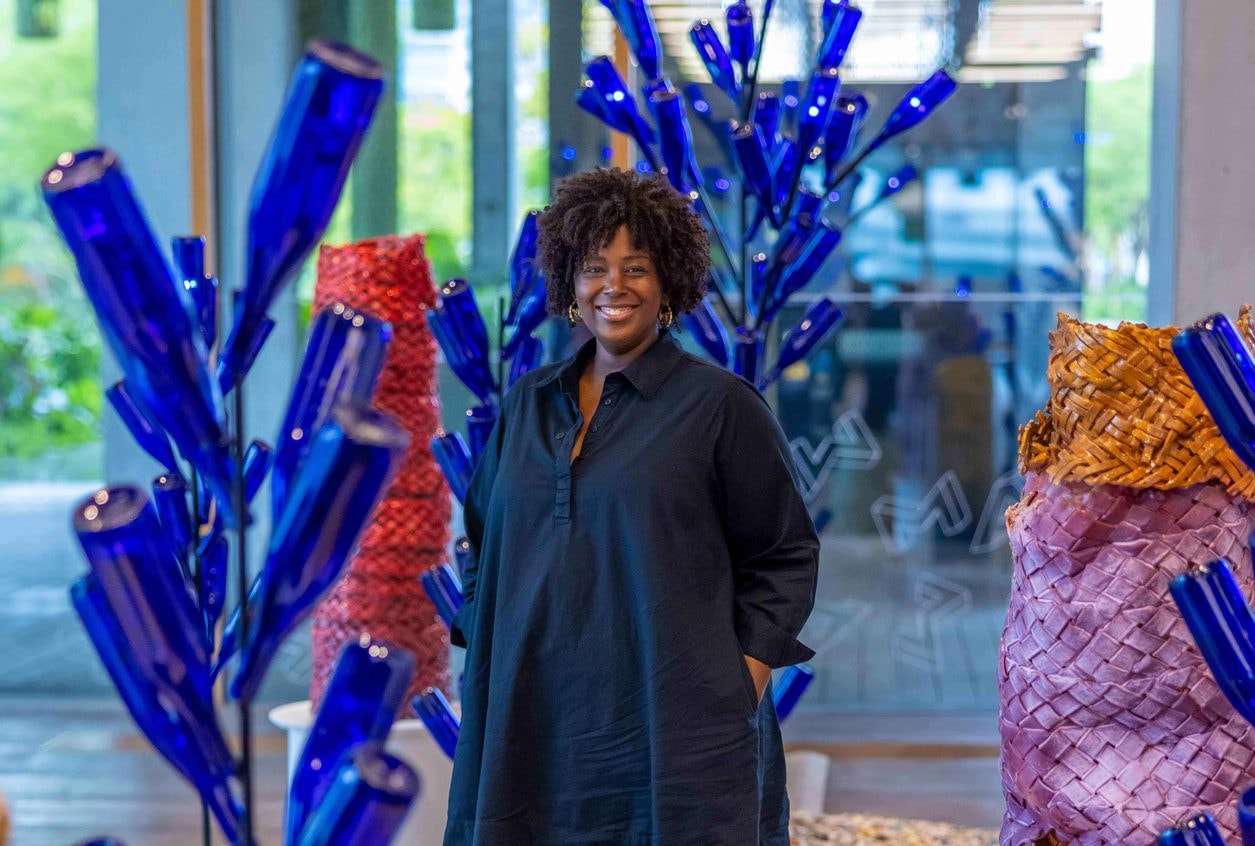
Art Basel Miami Beach 2026: Positions and the Cross-Institutional Moment Around Anina Major
Anina Major at TERN Gallery in Positions while simultaneously in PAMM's Sacred Mangrove show is the most significant convergence of the fair week — and a case study in how institutional and commercial platforms can amplify each other.
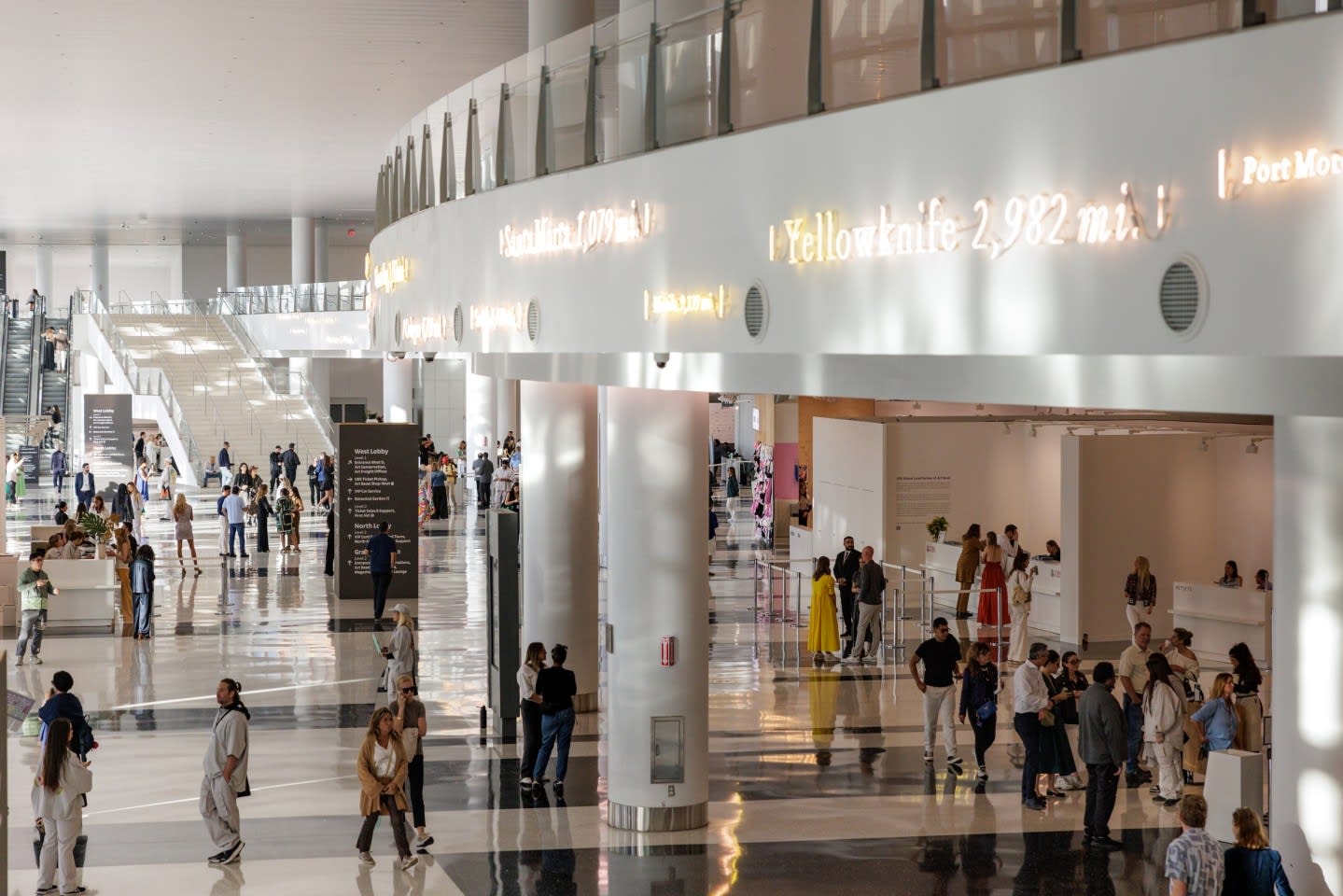
Art Basel Miami Beach 2026: Five Editorial Trends That Define This Year's Fair
Nova's Global South argument, Survey's art-historical reappraisals, Kabinett's institutional depth, Positions' cross-institutional moment around Anina Major, and Zero 10's confirmed 19-project digital roster — here is the editorial case for what matters at Art Basel Miami Beach 2026.
Art Basel Miami Beach 2026: The Complete Guide to Family Programs and Free Events
Art Kids, free museum access, complimentary institution visits, and everything families need to know about navigating Art Week with children.
Independent.
·Unsponsored.
·Always Free.
Premier Guide Miami has never accepted payment for editorial coverage. Our story →