Every Major Miami Institution Is Leaning In to Art Week. Here Is What That Looks Like.
From the Bass to Bakehouse, PAMM to the Wolfsonian, Vizcaya to Locust Projects — Miami's full institutional landscape is making its strongest case this December. The programming is not incidental. It is strategic.
Part of our ongoing curation of what it means to live, love, and play in the Magic City.
Eighty thousand people will descend on Miami in the first week of December. They will come for Art Basel Miami Beach — the convention center fair, the satellite fairs, the parties, the dinners, the deals. Most of them will spend the majority of their time in a corridor between Wynwood and Miami Beach. And this year, the city's permanent cultural institutions have decided, collectively and in some cases quite deliberately, that they are not going to let that crowd pass through without making a case for themselves.
The programming is not incidental. It is strategic. Across more than a dozen institutions — from the Bass and PAMM to the Wolfsonian, Vizcaya, Margulies Collection, Rubell Museum, ICA Miami, Frost Art Museum, Lowe Art Museum, MOCA North Miami, NSU Art Museum Fort Lauderdale, Locust Projects, the Jewish Museum of Florida, Fairchild Tropical Botanic Garden, Bakehouse Art Complex, YoungArts, and Wynwood Walls — the fall and early December calendars are loaded with openings, events, and exhibitions timed to coincide with the week that puts Miami on the global cultural map. What follows is an honest look at what each institution is doing, why it matters, and what it says about where Miami's cultural infrastructure is heading.
The Bass: The Most Consequential Art Week Programming in the Museum's Recent History
The Bass has a genuinely significant Art Week this year. The centerpiece is a December 3 Bass Dialogues session featuring Sharon Johnston and Mark Lee of Johnston Marklee — the Los Angeles architecture firm behind the Bass's ongoing renovation — in conversation with museum director Silvia Karman Cubiñá. This is the first public reveal of the museum's architectural vision, and it is happening on VIP Preview Day, when the art world's most influential collectors are in town. The Bass is not burying this. It is scheduling it for maximum visibility.
The Bass is open daily 10 AM–5 PM throughout Art Week (November 29–December 6) with new exhibitions including Yuko Mohri: Unviolated Imperfection, Sarah Zapata: Against A State of Malevolence, and Pedro Reyes: Sanatorium. Also worth noting: The Rotunda at The Bass, the museum's satellite gallery at 2150 Collins Avenue, is open Wednesday–Sunday 12–5 PM year-round with free admission — a deliberate move to extend the museum's footprint into the heart of the Art Week corridor.
PAMM: The Night Before the Fair
PAMM Downtown Underground returns for Art Week 2026 on Wednesday, December 3 — the night before Art Basel opens to the public. It is one of the most anticipated free events of the week. The format is simple: live music and DJ sets on the outdoor terraces overlooking Biscayne Bay, with the museum's permanent collection open for viewing. Happening on VIP Preview Day, Downtown Underground draws a mix of the art world and the city. It is one of the few Art Week events that is genuinely free, genuinely open, and genuinely Miami — not a velvet-rope situation, not a brand activation. PAMM is using its waterfront location and its programming credibility to claim the night before the fair as its own.
ICA Miami: Two Major Solo Shows Anchoring the Season
The Institute of Contemporary Art, Miami is anchoring its Art Basel season with Friedrich Kunath: I'll Romanticize This Later, a major solo exhibition of the German-born, Los Angeles-based artist whose melancholic, cinematic paintings have made him one of the most talked-about figures in contemporary art. Running concurrently: Diego Singh's first major institutional solo show in the United States. ICA is also running Family Fest, celebrating "We Are Miami" with neighborhood art expeditions, hands-on art-making stations, and live performance. The ICA has always been one of the most programmatically ambitious institutions in the city, and this season it is making that case with two shows that would hold their own in any international context.
Frost Art Museum (FIU): Two Exhibitions Opening November 14
The Patricia & Phillip Frost Art Museum at FIU opens two significant exhibitions on November 14. Ofelia Rodríguez: Psychic Jungle is the first major solo exhibition of the late Colombian artist (1946–2022), whose work — dense, layered, and deeply rooted in Latin American visual traditions — has never received the institutional attention it deserves. Also opening November 14: What Takes Root, marking the launch of the Green Family Collection, a new initiative dedicated to collecting the work of artists connected to South Florida. The Frost is making an argument about Miami's own art history — and doing it a full three weeks before Art Basel opens.
Lowe Art Museum: Young, Gifted, and Black
Young, Gifted, and Black: The Lumpkin-Boccuzzi Family Collection of Contemporary Art opens October 23 at the Lowe Art Museum in Coral Gables and runs through February 2027. The collection is one of the most significant private holdings of work by Black artists in the United States, and this is its first major museum presentation in South Florida. The Lowe is also running Bubbles and Brushstrokes, its Art Basel event, alongside a full calendar of expert tours and family workshops. The Lowe has always been the quieter institution in Miami's museum landscape — but this season it is showing up with one of the most important exhibitions in the city.
MOCA North Miami: Geoffrey Holder's Visual Art Gets Its Due
Opening during Miami Art Week 2026, MOCA North Miami presents Geoffrey Holder: Black Magic (November 12, 2026 – April 4, 2027) — the first museum survey to celebrate the full breadth of Holder's visual art practice. Holder is best known as a performer, choreographer, and director, but his paintings, drawings, and textile work constitute a body of work that has never received serious institutional attention. MOCA is correcting that. The museum's free outdoor Jazz at MOCA series continues on the last Friday of every month on the MOCA Plaza — a reminder that MOCA has always understood that Art Week is not just for the convention center crowd.
NSU Art Museum Fort Lauderdale: Ragnar Kjartansson and Wifredo Lam
NSU Art Museum Fort Lauderdale opens Ragnar Kjartansson: Sunday Without Love on November 15 (through April 11, 2027). The Icelandic artist's single-channel video work — melancholic, durational, and formally rigorous — is exactly the kind of programming that signals institutional seriousness. NSU is also running programming tied to its Wifredo Lam holdings, one of the most significant collections of the Cuban surrealist's work outside of Europe. Fort Lauderdale is not Miami, but NSU has always understood that Art Week draws a regional audience, and it is programming accordingly.
Locust Projects: Edison Peñafiel During Art Week
Locust Projects is presenting Tides and Passages by Ecuadorian artist Edison Peñafiel during Art Week. Locust Projects is the institution that has done the most, over the longest period, to support experimental and site-specific work in Miami — and its Art Week programming is always worth attention precisely because it is not trying to compete with the fair. Peñafiel's work, which deals with migration, memory, and the politics of movement, is exactly the kind of programming that the fair cannot accommodate. Locust Projects is the room where the most interesting conversations happen during Art Week, and this year is no exception.
Jewish Museum of Florida: A Bartender Machine and an AI Artist
The Jewish Museum of Florida is bringing two genuinely unusual Art Week events to its historic Art Deco campus on Washington Avenue. Joseph's Machines — the kinetic chain-reaction contraptions of artist and viral YouTube creator Joseph Herscher — will be installed and operating during Art Week, with Herscher's Rube Goldberg bartender machine serving drinks to visitors. Running concurrently: Clone Dahlia, a new work by Miami-based interdisciplinary artist Dahlia Dreszer, whose use of AI in art was the subject of a Time interview. The museum is also presenting The Chagall and the School of Paris, a major exhibition of works from the permanent collection. The Jewish Museum is one of the most undervisited institutions on Miami Beach, and this season it is making a case for itself with programming that is genuinely surprising.
Museum of Miami: The 1926 Hurricane and Free Wednesdays
The Museum of Miami (formerly HistoryMiami) is running its anchor exhibition Caught in the Eye: Remembering the 1926 Hurricane through April 11, 2027 — marking the centennial of the storm that ended Miami's first real estate boom and reshaped the city's development trajectory. The museum is also running Free After-School Wednesdays every week through the school year, open to families with elementary and K-12 students. During Art Week, the Museum of Miami is the institution that reminds visitors that the city they are celebrating has a history that predates the fair by about a century.
Bakehouse Art Complex: A 40th Anniversary That Means Something
Bakehouse Art Complex is closing out its 40th anniversary year with Homegrown, a group exhibition featuring approximately 32 resident, associate, and alumni artists exploring notions of home, comfort, and belonging. Curated by Krys Ortega and René Morales, the show transforms the Audrey Love Gallery into a warm, lived-in domestic environment — a deliberate counterpoint to the white-cube formalism that dominates Art Week. The opening reception is November 6 as part of Bakehouse's annual fundraiser. Also on the Bakehouse campus: The Porch, a triumphal arch installation by FIU architecture faculty Elmer O. García and Olga Kusche-Iglesias. Bakehouse is the institution that Art Week visitors most consistently overlook, and most consistently regret overlooking.
Fairchild Tropical Botanic Garden: Garden of Shadows and the Annual Palm Show
Fairchild's Garden of Shadows runs October 23–24, 7:00–10:30 PM — six haunted encounters along the Shadow Trail, with tarot card readings, contortionist and aerialist performances, a DJ and dancing. The Annual Palm Show & Sale returns November 28–29 in the Lakeside Marquee Tent, likely the largest palm and cycad sale in Florida. Fairchild is not an art institution in the conventional sense, but it is one of the most beautiful spaces in Miami, and its programming during Art Week draws visitors who want something other than gallery walls. The garden is a reminder that Miami's cultural landscape extends well beyond the convention center.
Coral Gables Museum: Cuban Memory and Día de Muertos
The Coral Gables Museum has a strong October and November. Cuba en la Memoria: Música, Arte, y Poesía presents the N Blanco Y Negro piano duo in a program weaving live piano performance of 19th- and 20th-century Cuban composers with poetry and visual art. The museum is also programming around Día de Muertos, connecting the Cuban and Latin American communities of Coral Gables to the broader cultural moment. The Coral Gables Museum is the institution that most consistently programs for the city's actual residents rather than its visitors — and during Art Week, that distinction matters.
The Wolfsonian–FIU: Four Exhibitions, One Argument
The Wolfsonian on Washington Avenue is running four concurrent exhibitions this season. Foot Notes: Shoes, Symbolism, and Society traces footwear history through the first half of the 20th century — rare shoes by Salvatore Ferragamo and Beth Levine alongside histories of merchandising, propaganda, and recreation. Material Matters examines how manmade plastics, rubbers, and textiles reshaped design and modern living. La Superba celebrates the Wolfsoniana's 20th anniversary through paintings, travel posters, and decorative arts depicting Genoa. Modern Design Across Borders — organized for the Wolfsonian's own 30th anniversary — traces the cross-cultural web that made modernism's global reach possible, with works by Norman Bel Geddes, Josef Hoffmann, Alvar Aalto, and Charles and Ray Eames. The November 13 screening of Salvatore: Shoemaker of Dreams, Luca Guadagnino's documentary on Ferragamo, is exactly the kind of programming that turns a museum visit into an event. The Wolfsonian is not trying to be the loudest room in December. It is trying to be the most interesting one.
Vizcaya: The City's Most Ambitious Institutional Bet
Vizcaya Museum and Gardens is making the boldest institutional move of the season. Welcome to Wonder, a site-responsive photographic installation by Miami-based artist Josh Aronson, opens November 7 and runs through May 2027. The work transforms Vizcaya's Hammock Paths and the Vizcaya Metrorail Overpass Ramp into an immersive journey exploring themes of seeing and being seen, concealment and revelation, belonging and identity. It is accessible without admission — a deliberate choice that signals Vizcaya's intention to reach beyond its traditional audience. The 2027 Vizcaya Arts Residency and Commission, currently in open call, offers a $12,500 artist fee plus up to $25,000 in production budget. This is Vizcaya investing in the next generation of site-specific work — not just programming for December, but building a pipeline for years to come.
Margulies Collection: Five Exhibitions, All Opening November 5
The Margulies Collection at the Warehouse opens its 2026–27 season on November 5 — a full month before Art Basel — with five concurrent exhibitions. Realism: Paintings and Sculptures spans the late 1960s through 2025, featuring photorealistic paintings by Davis Cone, Randy Dudley, John Salt, and Jacob Rochester alongside surreal figures by Folkert de Jong and Gilles Barbier. Light Installations brings together 12 artists working with fluorescent light, projections, LED tubes, and circuitry, including Dan Flavin, Leo Villareal, Doug Aitken, and Jennifer Steinkamp. Kinetic Sculpture features newly acquired artist Yuko Mohri, whose Moré Moré (Leaky): Falling Water Given #8 recreates water leaks in the gallery space using found objects and pumps. And Records of the Past: Lewis Hine Child Labor Photographs presents 60 of Hine's actual working prints — being shown to the public for the first time — spanning 1907 to 1919. The Margulies Collection is the largest photography collection of its kind in South Florida, and this season it is making that case with unusual force.
Rubell Museum: The Collection as Argument
The Rubell Museum's current Collection Highlights installation spotlights East Village artists from the early 1980s and large-scale installations, with works by Yayoi Kusama, Jean-Michel Basquiat, Keith Haring, Kerry James Marshall, Mickalene Thomas, Yoshitomo Nara, and Amoako Boafo. The Rubell has always understood that Art Week is its home turf — the fair and the museum exist in the same ecosystem, and the museum benefits from the week's gravitational pull more directly than almost any other institution in the city. The Rubell is not just a place to see art. It is a place where Miami's cultural and philanthropic communities converge, and Art Week is when that convergence is most visible.
YoungArts: The Week as a Proving Ground
YoungArts is using Miami Art Week to demonstrate that the organization's campus on Biscayne Boulevard is a genuine cultural destination, not just an administrative headquarters. On December 1, the campus will host new works by Hank Willis Thomas alongside open studios from artists-in-residence Ezekiel Binns, David Correa, Diego Gabaldon, and Michaela Manzieri. The event is free. The choice to open the studios during Art Week — when the city's attention is at its highest — is a deliberate act of institutional positioning. YoungArts is saying: we are part of this conversation, and our campus is worth your time.
Wynwood Walls: Two Solo Shows, One Statement
Wynwood Walls opened two solo exhibitions in October: In Transit by AIKO, tracing three decades of the Tokyo-born artist's journey from Tokyo to New York and across the globe, and No Clearance by GIZ at GGA Gallery, which transforms the space with chain-link fencing, barbed wire, real subway doors, gravel, and relics from the train yard. The decision to run serious solo shows by artists with deep histories in the form, rather than simply activating the walls with new murals, signals a maturation in how the organization thinks about its programming. AIKO's fourth appearance at Wynwood Walls since 2009 is not nostalgia. It is continuity.
What This Adds Up To
Taken together, the institutional programming around Miami Art Week 2026 represents something that has been building for years: a permanent cultural infrastructure that is no longer content to exist in the shadow of the fair. The Bass, PAMM, ICA Miami, Frost Art Museum, Lowe Art Museum, MOCA North Miami, NSU Art Museum Fort Lauderdale, Locust Projects, the Jewish Museum of Florida, Museum of Miami, Bakehouse Art Complex, Fairchild, Coral Gables Museum, the Wolfsonian, Vizcaya, Margulies, Rubell, YoungArts, and Wynwood Walls are all making arguments — about their collections, their communities, their ambitions — that are designed to outlast the week itself.
The 80,000 visitors who come for Art Basel will spend most of their time at the convention center, at the satellite fairs, at the parties. But the institutions that make Miami worth living in are all making their strongest case this December. The question is whether the crowd will notice. Based on the programming, the institutions are betting they will.
The PGM Edit
From the Bass to Bakehouse, PAMM to the Wolfsonian, Vizcaya to Locust Projects — Miami's full institutional landscape is making its strongest case this December. The programming is not incidental. It is strategic.
Premier Guide Miami
The Live · Love · Play Dial

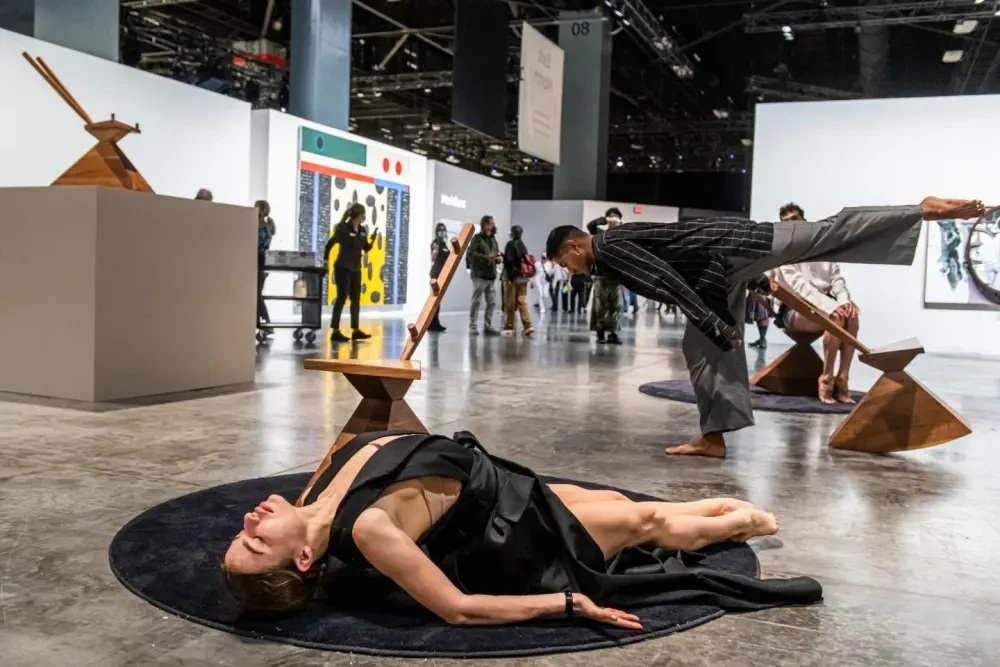
South Florida Museums: What's On This Fall and Into Art Basel Season
From ICA Miami's Friedrich Kunath debut and Lowe Art Museum's Young, Gifted, and Black to MOCA North Miami's Geoffrey Holder survey and the Museum of Miami's free Wednesday programs — the region's museum circuit is running at full strength.
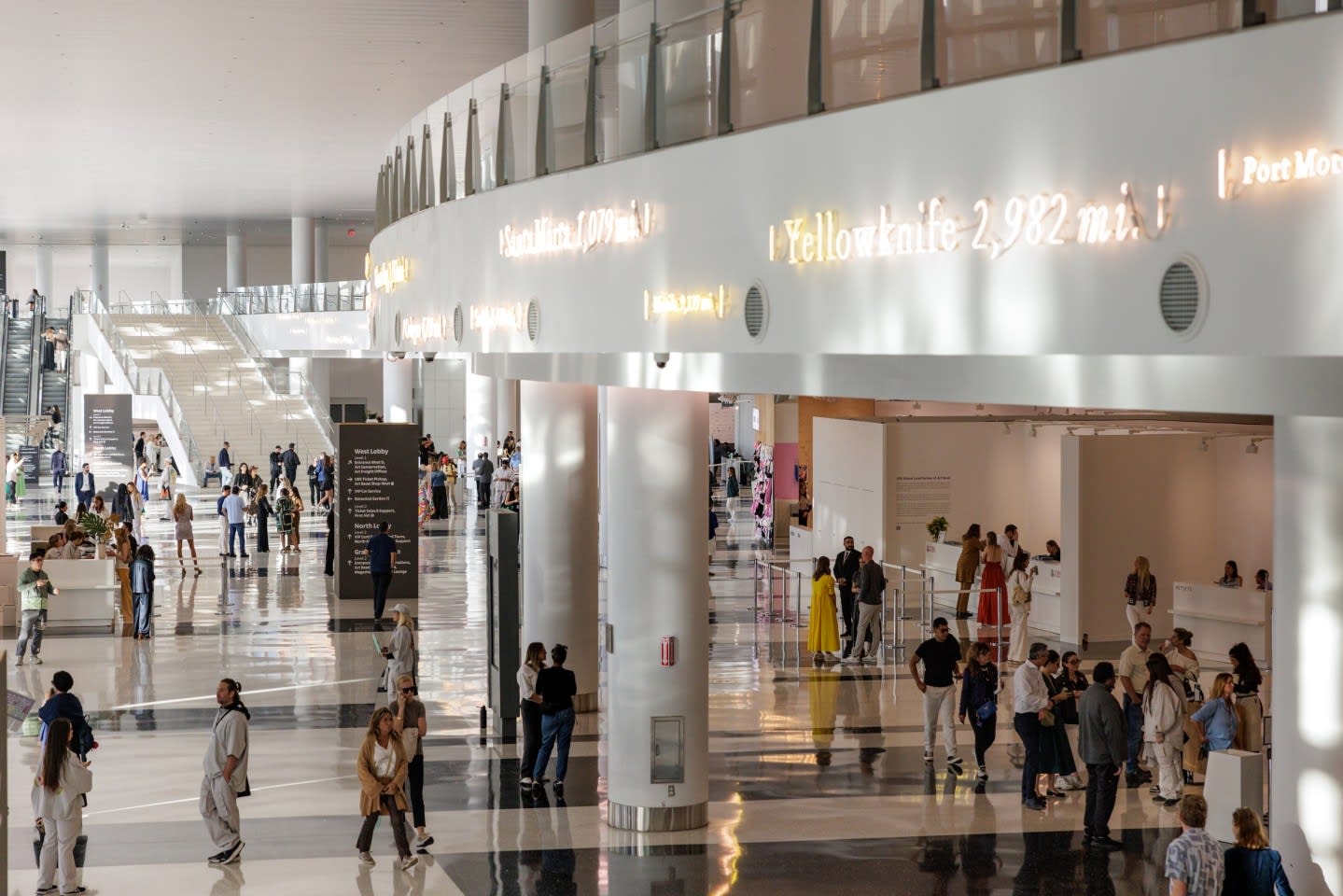
Every Major Miami Cultural Institution This Fall and Art Week: The Complete Guide
From Bakehouse's 40th anniversary homecoming to The Bass's Johnston Marklee reveal, Fairchild's Garden of Shadows, and the Frost's first major Ofelia Rodríguez survey — here is everything worth knowing about Miami's institutional programming through Art Week 2026.
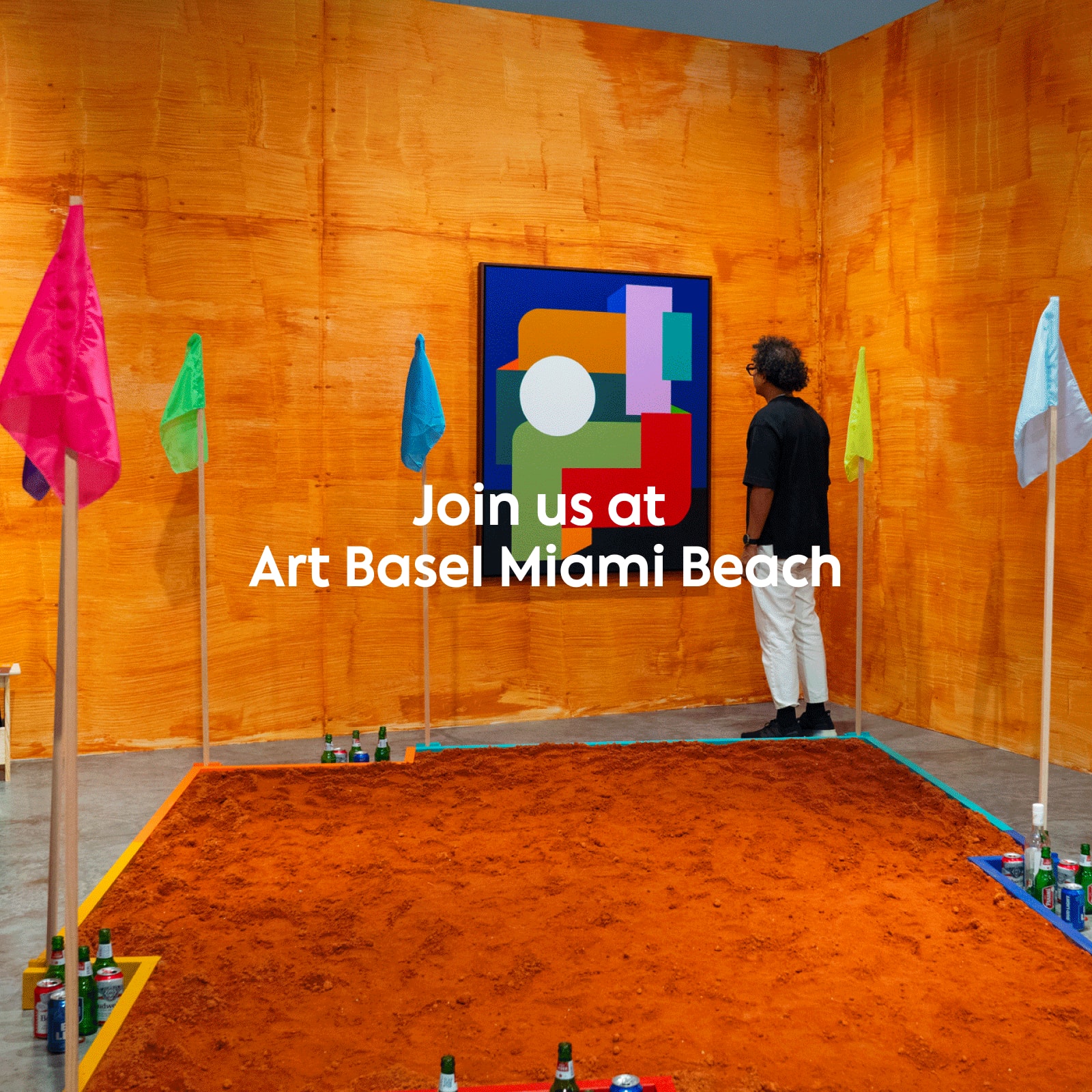
Major Lazer Is Headlining Faena's Art Basel Music Series — and Chase Sapphire Reserve Cardholders Get a Private Dinner
The Faena Art Music Series returns December 2 with Major Lazer headlining and Richie Hell opening. Chase Sapphire Reserve cardholders get access to a private sunset cocktail hour, an exclusive dinner called 'Transatlantic Express: A Shared Table,' and a VIP area. Tickets go on sale October 27.
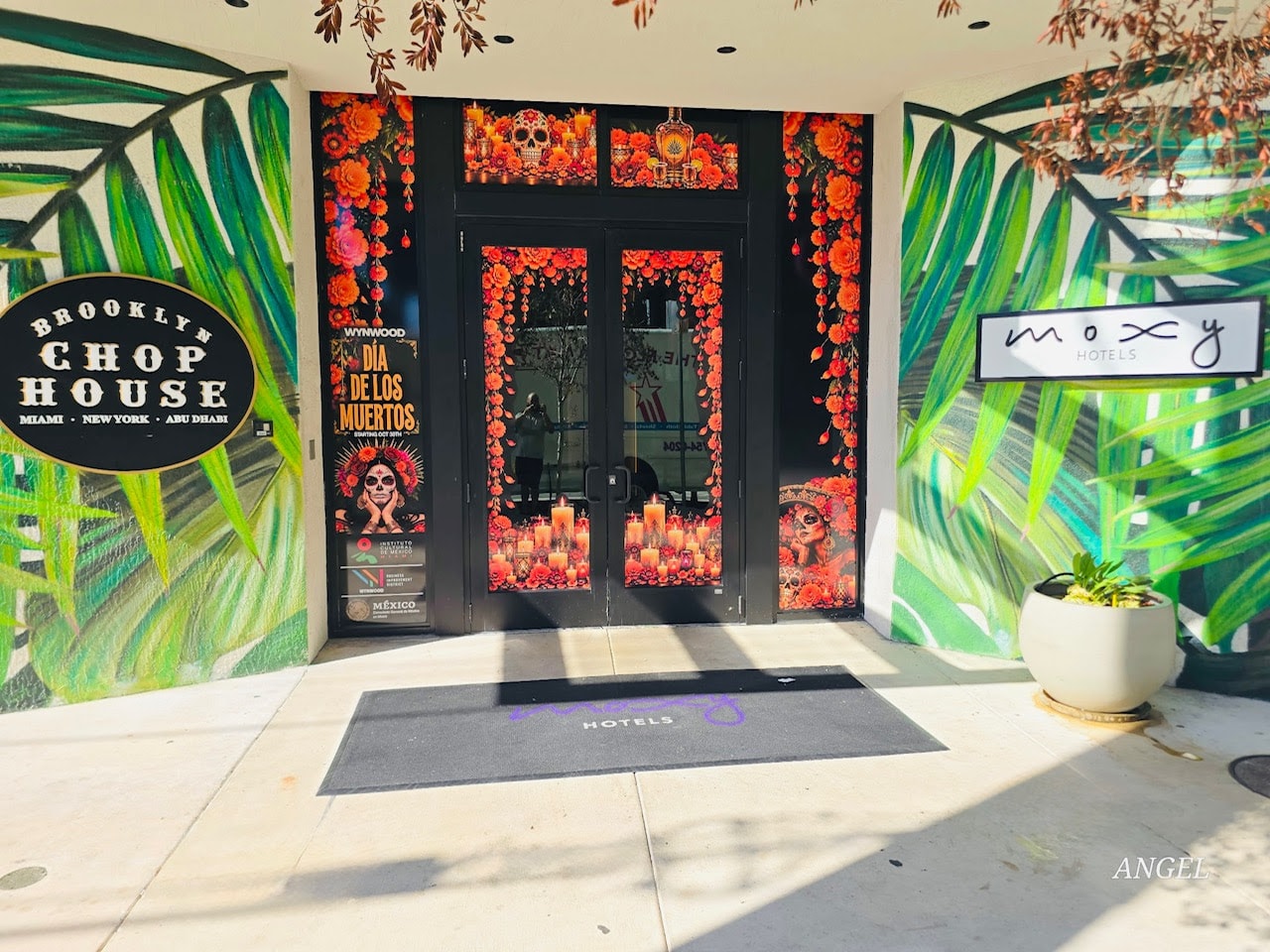
Wynwood Is Building Altars for Celia Cruz, Selena, Dolly Parton, and Jimi Hendrix This Día de los Muertos
Sixteen Wynwood businesses are building ofrendas for the legends they love on the neighborhood's first Ofrenda Trail — a free, self-guided walk running October 30 through November 8, presented by the Wynwood BID in partnership with the Mexican Cultural Institute.
Independent.
·Unsponsored.
·Always Free.
Premier Guide Miami has never accepted payment for editorial coverage. Our story →