
Getting Around Miami Without a Car: The PGM Transit & Mobility Guide
Miami has a reputation as an impossible city without a car. That reputation is partly earned and partly outdated. Here's the honest guide to navigating the city on Brightline, Metrorail, Metromover, rideshare, and two wheels.
The Honest Truth About Miami Transit
Miami is not a car-free city. Anyone who tells you otherwise hasn't tried to get from Wynwood to Coral Gables at 7pm on a Tuesday.
But the city is more navigable without a car than its reputation suggests — especially if you know the tools, understand the gaps, and stop trying to replicate a New York or Chicago transit experience in a subtropical sprawl city.
This guide is for residents who want to reduce their car dependence, visitors who want to skip the rental car, and anyone trying to understand what Miami's mobility infrastructure actually looks like in 2026.
Brightline: The Game Changer
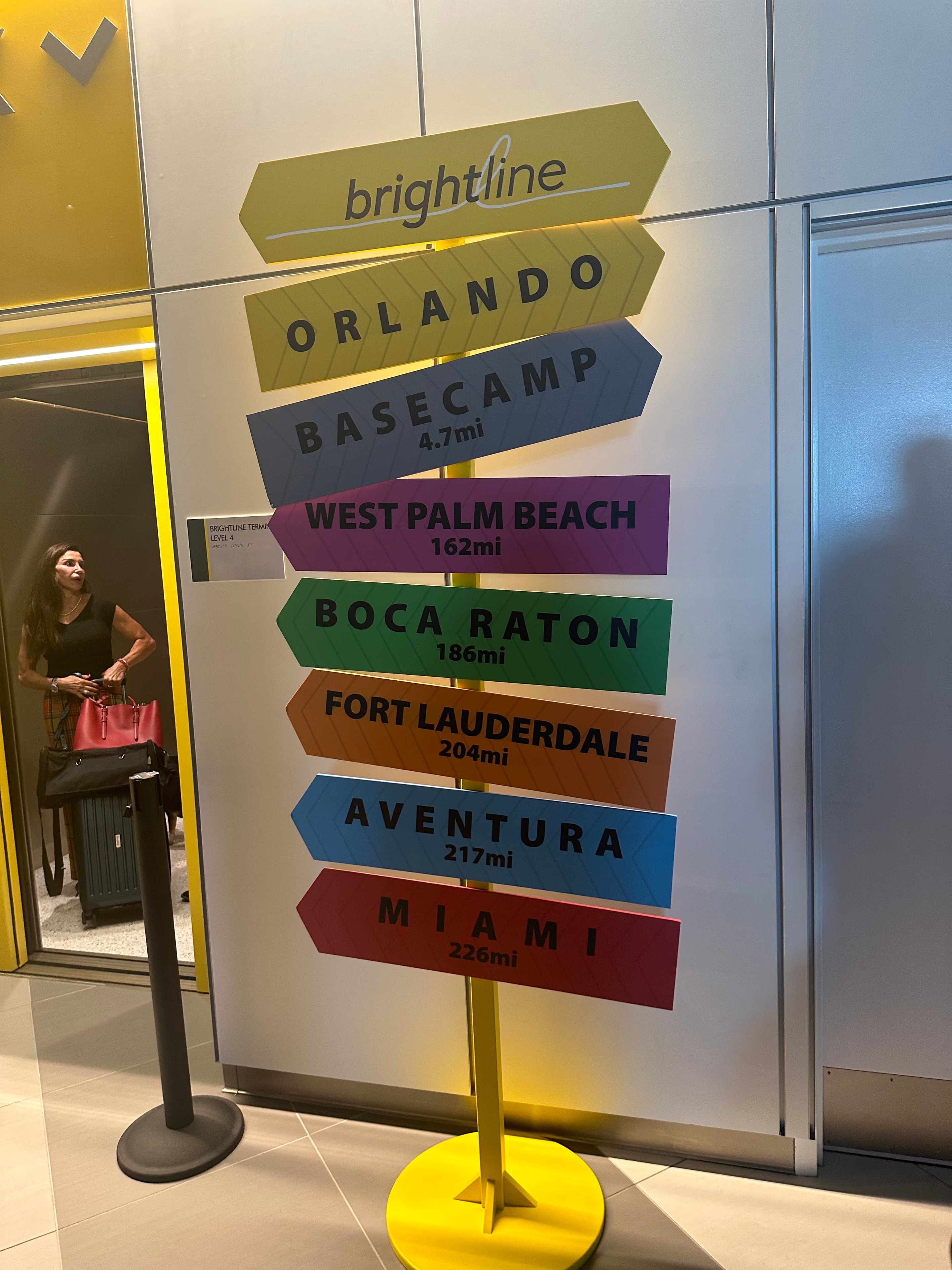
- Miami to Fort Lauderdale: 30 minutes. Miami to West Palm Beach: 1 hour 15 minutes. Miami to Orlando: 3 hours.
Brightline is the most significant piece of new transit infrastructure in South Florida in a generation. The private intercity rail service connects MiamiCentral (in the heart of Brickell) to Fort Lauderdale, Boca Raton, Delray Beach, West Palm Beach, and Orlando.
For South Florida residents, Brightline changes the math on day trips, weekend travel, and the daily commute between Miami and Broward. The FLEX fare options introduced in 2026 make the pricing more accessible for regular riders.
MiamiCentral is a destination in itself — the food hall, the design, and the energy of a working intercity rail hub in a city built around cars make it worth a visit even if you're not traveling.
Metrorail & Metromover
- Metrorail:
Miami-Dade's heavy rail system runs 25 miles from Palmetto in the northwest to Dadeland South in the south, with a branch to Miami International Airport. It's not comprehensive — the coverage gaps are real — but for the corridors it serves (downtown, Brickell, Coconut Grove, Coral Gables, South Miami), it's genuinely useful.
- Metromover:
Free. Always. The automated people-mover loops through downtown Miami, Brickell, and the Omni district. It's the best way to navigate downtown without a car and connects to Metrorail at Government Center and Brickell stations.
- The honest assessment:
Metrorail is useful for specific corridors. If you live or work near a station, it's a real option. If you don't, it's not. The system hasn't expanded significantly in decades, and the coverage gaps — Wynwood, Miami Beach, the Design District — are significant.
Rideshare & Waymo
Uber and Lyft are the de facto transit system for most of Miami. The coverage is comprehensive, the wait times are reasonable outside of surge periods, and the cost — while higher than public transit — is often competitive with parking when you factor in garage fees and time.
- Waymo:
Autonomous vehicle service launched in Miami in 2026. Currently operating in select areas. The experience is genuinely novel — no driver, full autonomy — and the service area is expanding. Worth trying if you're in a covered zone.
- Surge strategy:
Friday and Saturday nights in South Beach and Wynwood see significant surge pricing. The workaround: walk a few blocks from the main drag before requesting, or use the Metromover to get to a less congested pickup point.
Cycling & Micromobility
- Citi Bike Miami:
The bike-share system has expanded significantly and now covers most of Miami Beach, downtown, Brickell, Wynwood, and parts of Coral Gables. For short trips within these zones, it's often the fastest option.
- The Underline:
The linear park and trail under the Metrorail from Brickell to Dadeland is one of the best cycling infrastructure investments Miami has made. Safe, shaded, and genuinely pleasant.
- The honest cycling reality:
Miami is not a cycling city in the way that Amsterdam or even New York is. The infrastructure is improving but the gaps are real, the heat is a factor, and the drivers are not always cycle-aware. That said, for short trips in the right neighborhoods — Miami Beach, Brickell, Wynwood — cycling is genuinely viable.
The PGM Edit
Premier Guide Miami is an independent editorial voice covering the city we love — the restaurants, the culture, the neighborhoods, the nightlife, and the water. Do it for the love, not for the coin.