The Great October Debate: Has Truffle Lost Its Luxury Status in Miami?
October is truffle season in Miami — and the ingredient is having an identity crisis. Twelve local chefs weigh in on what truffle actually means in 2026.
Part of our ongoing curation of what it means to live, love, and play in the Magic City.

October is truffle season in Miami — and this year, the ingredient is having an identity crisis. It's on the fries at your neighborhood spot, in the salt at the grocery store, and somehow still commanding $40 supplements at the city's best tables. So we asked the question out loud: has truffle lost the plot, or are we just finally catching up to it?
We brought it to 15 of Florida's sharpest culinary voices — chefs who actually work with the ingredient, not just name-drop it. The answers were split, the opinions were strong, and one thing kept surfacing: there's a version of truffle that belongs in a fine dining kitchen, and a version that belongs on a bag of chips. Miami is fluent in both.
How truffles impact daily well-being, home cooking, and the accessible side of indulgence.
"Truffle still carries a sense of luxury, but it has become much more approachable as consumers see it across everything from fries and pasta to cheeses, sauces and snacks. Today, people do not need fresh truffles to enjoy that distinctive flavor. At Plum Market, we offer products like truffle oils, salts and dips that can add a little indulgence at home and make familiar foods feel special."
"Truffle is still absolutely a luxury ingredient when it's real. The problem isn't truffle itself, but the overuse of pastes, oils and artificial essences that can create an overpowering, imitation flavor. Fresh truffle should be seasonal, and its origin matters. When I see truffles on a menu, the questions I ask are: Is it actually fresh? Is it being shaved or grated onto the dish? Where does it come from? Used properly, truffle should complement a dish rather than dominate it. At LT Steak & Seafood, we shave fresh truffle over our Beef Tartare and Truffle Aioli Crispy Nigiri because the earthy flavor works naturally with the raw beef without masking the other ingredients."
"Truffles have become a staple of kitchens and homes alike globally. The access to truffles via zest, salts and oils has given everyone the ability to enjoy a little piece of opulence while staying budget-friendly. When dining at restaurants, the luxury hits when you receive a dish with seasonal truffles shaved to order. The aroma and taste are undeniable. For me, adding freshly shaved truffle to soft scrambled eggs or mushroom risotto is the best way to experience the flavor. I recommend avoiding truffles in the summer unless they have come from Australia, New Zealand or Chile, but make sure they specify winter truffles. Using a truffle at the peak of a cold snap (when its aroma is at its peak) is when it will really elevate a dish."
"Truffle still has that sense of decadence, but today's guests are just as comfortable enjoying it on familiar, comforting dishes as they are in a fine dining setting. In many ways, that contrast is part of the appeal. It can make something simple and familiar a little more special without making it feel overly formal. For me, truffle has to add something meaningful to the dish, not just make it sound more luxurious. It should complement the other ingredients and bring another layer of flavor and aroma without taking over. The goal is for it to feel like a natural part of the dish, where you would actually miss it if it were taken away."
How truffle intersects with Miami's dining culture, restaurant creativity, and the city's appetite for the bold and unexpected.
"Truffle has absolutely crossed over into comfort food territory, and I think that's a beautiful thing. It means more people get to experience something that was once reserved for special occasions. That said, the luxury is still very much alive when you're working with fresh, high-quality product. The difference between a real black truffle shaved tableside and a bottle of truffle oil is night and day. At Novotel Brickell, we let the ingredient speak for itself — when it's real, it doesn't need much else. My favorite pairing is fresh truffle over a simple pasta with good butter and Parmigiano. Nothing competes with it."
"In Italy, where I'm from, truffle has always been a seasonal, regional treasure — something tied to a specific place and time of year. What's happened globally is that the word 'truffle' has been borrowed to sell a flavor rather than an ingredient. Real truffle is still luxury. The synthetic version is something else entirely. At dōma, we use truffle intentionally and sparingly. When it appears on our menu, it's because the season is right and the product is exceptional. Miami diners are sophisticated — they know the difference, and they appreciate when a chef respects the ingredient enough not to use it year-round."
"Truffle hasn't lost its luxury status — it's earned a wider audience. That's not the same thing. Yes, you can find truffle fries everywhere now, and most of them are made with synthetic oil. But that's not truffle. That's marketing. When a guest sits down at R House and we shave fresh black truffle over a dish, the reaction is always the same: eyes wide, that first inhale, the moment they realize this is something different. That reaction doesn't happen with a bottle of oil. The luxury is in the real thing, and the real thing is still very much alive."
"The conversation around truffle has gotten muddled because we've allowed the word to be used so loosely. Real truffle — fresh, seasonal, properly sourced — is one of the most extraordinary ingredients in the world. It has a depth and complexity that nothing else replicates. At Mottai, we approach truffle the way we approach all of our ingredients: with intention and restraint. It appears on our menu when it belongs there, not as a selling point. My philosophy is simple — if you can taste the truffle and nothing else, you've used too much. It should elevate the dish, not define it."
"There is something irreplaceable about the tableside truffle experience — the shaver, the aroma that fills the room, the anticipation. That moment is still luxury, full stop. What has changed is the context around it. Truffle flavor has become ubiquitous, which means guests arrive with a reference point, but often the wrong one. Part of my job is to reintroduce them to the real thing. At Vilebrequin La Plage, we pair fresh truffle with dishes where the ocean and the earth can coexist — a crudo finished with truffle, a risotto that carries the sea in every bite. The contrast is where the magic lives."
"I've always believed that the best ingredients are the ones that make you wait for them. Truffle is the ultimate expression of that. When October arrives and the first black truffles of the season come in, there's a genuine excitement in the kitchen that you can't manufacture. That seasonality is what preserves the luxury. The moment you start treating truffle as a year-round commodity — through oils, pastes, frozen product — you lose the thing that made it special. At Ezio's, truffle appears when it's ready, and it disappears when the season ends. That's the only way to honor it."
"Truffle is one of those ingredients that creates a memory. When it's done right — fresh product, the right dish, the right moment — guests remember it. That's the definition of luxury to me: something that stays with you. The proliferation of truffle flavor in fast-casual and grocery has actually worked in our favor at Ovide. Guests come in having had a version of truffle, and then they experience the real thing, and the contrast is everything. It's not about gatekeeping the ingredient — it's about giving people a reason to seek out the genuine article. Fresh truffle in season, handled with care, is still one of the most exciting things you can put on a plate."
How truffle shows up on menus built for Miami's night-out crowd — bold, social, and unapologetically fun.
"Truffle has absolutely become a crowd-pleaser, and I don't think that's a bad thing. When you put truffle fries on a menu, people order them. When you shave fresh truffle over a dish tableside, people take photos. That theater is part of the experience now. At Tigress, we lean into that energy — we want guests to feel like they're getting something special, something worth talking about. The key is making sure the truffle actually belongs on the dish. We're not using it as a shortcut. We're using it because it works. And when it works, it really works — there's nothing else that fills a room with that aroma the way fresh truffle does."
"What I find most interesting about truffle right now is where it doesn't belong — and how chefs are pushing back against that. The proliferation of truffle oil on everything has actually made real truffle more exciting by contrast. At Goodtime Hotel, we approach it as a surprise element. You don't expect truffle in a certain dish, and then it's there, and it changes everything. That moment of discovery is what luxury feels like in 2026. It's not about price point — it's about the unexpected. Fresh truffle used with restraint and intention still has the power to stop a table mid-conversation."
"At Uchi, we think about truffle the same way we think about any premium seasonal ingredient — it has a window, and that window is everything. When October arrives and the black truffle season opens, there's a real shift in the kitchen. The energy changes. We start building dishes around the ingredient rather than adding it to existing ones. The Japanese approach to cooking has always been about honoring the season, and truffle fits perfectly into that philosophy. It's not a garnish. It's a reason to come in. When it's gone, it's gone — and that scarcity is what keeps it meaningful."
"Truffle is a statement ingredient. When it appears on a menu, it signals something — that the kitchen takes its sourcing seriously, that the chef has a point of view, that the guest is about to experience something worth remembering. At Oceans 234, we're on the water, and our menu reflects that coastal energy. When we bring truffle in, it has to earn its place alongside the freshest seafood we can source. The pairing has to make sense — truffle and ocean flavors can be extraordinary together when the balance is right. A perfectly seared scallop finished with fresh black truffle is one of those combinations that reminds you why you cook."
The PGM Edit
Fifteen chefs. One ingredient. No consensus — and that's exactly the point.
Premier Guide Miami
The Live · Love · Play Dial

Veterans Day Ceremonies Across Miami-Dade: Coral Gables, Hialeah, Doral, North Miami, and Pinecrest — All Free, All November 11

Miami Beach Veterans Day Parade Steps Off at 11:10 AM — Ocean Drive, Military Flyover, Free and Open to All

Spain Brings Its Travel Tech Innovators to Miami for the Spain–US Smart Tourism Forum — November 9–10
The Official Art Basel Miami Beach 2026 Restaurant Guide: Every Table Worth Booking This Art Week
Art Basel Miami Beach releases its official restaurant guide each year, and the 2026 edition spans Wynwood, the Design District, Edgewater, South Beach, Mid Beach, Little River, and North Miami. Here is every restaurant on the list, organized by neighborhood, with addresses and contact information.

The Miami International Wine Fair 2009: Conversation with Co-founder David Bernard
The Miami International Wine Fair drew more than 6,700 attendees and showcased over 1,500 wines from 20 countries — a remarkable achievement in a year of economic downturn. Premier Guide Miami's Daedrian McNaughton sat down with co-founder David Bernard to discuss Florida's booming wine culture and what's ahead for the fair.
Walk for Wishes Broward Turns 18: The Annual 5K Returns to Nova Southeastern on January 30
Eighteen years of walking for wishes. The Broward Walk for Wishes 5K is the kind of event that reminds you what a community can do when it shows up together.
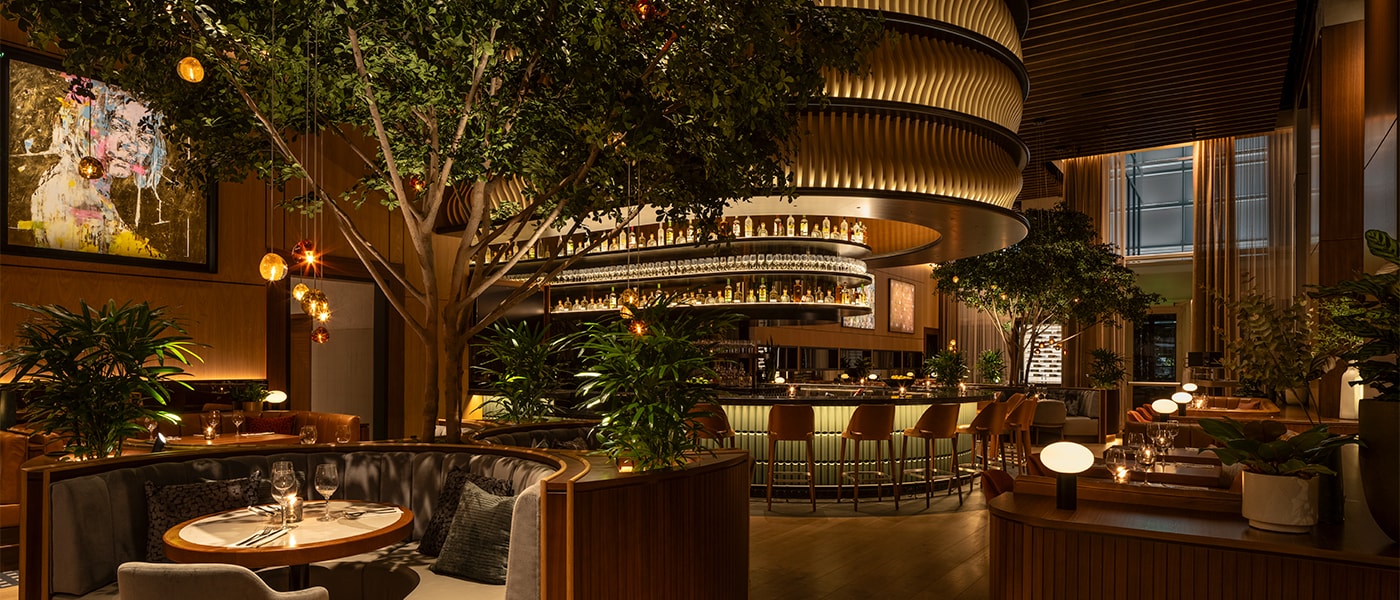
The Botanist Is Turning Its Dining Room Into a Gallery — and Bringing a Live Street Artist In for Art Week
The Botanist, the Vancouver-born restaurant in Downtown Miami, is giving diners two reasons to look up from their cocktails during Art Week 2026. Canadian artist Daniel Mazzone's work goes on display starting Monday, November 30, and street artist Diogo Snow takes over for a live art demonstration on Friday, December 4.
Independent.
·Unsponsored.
·Always Free.
Premier Guide Miami has never accepted payment for editorial coverage. Our story →