The Shifts That Shaped Miami: Ten Years of Trends, Transformations, and Turning Points
A deep analysis of the cultural, culinary, urban, and social trends that defined Miami's transformative decade — from the rise of Wynwood to the tech migration, from the farm-to-table revolution to…
Part of our ongoing curation of what it means to live, love, and play in the Magic City.
From the Vault · 2020
This is an archival piece from the Premier Guide Miami collection. The coverage, context, and details reflect the time it was originally published.
Editorial
Ten years of covering Miami produces a particular kind of knowledge — not just the facts of what happened, but the feel of how things changed. The trends that defined the decade were not always visible in real time. Some of them only became clear in retrospect, when you could look back at the arc of a hundred stories and see the pattern that connected them. Here, then, is our attempt to identify the shifts that mattered most — the trends that transformed Miami from a city recovering from a financial crisis into one of the world's great urban destinations.
From Nightlife Capital to Cultural Capital. The most significant shift of the decade was Miami's evolution from a city defined primarily by its nightlife and beaches into a city defined by its cultural institutions. This did not happen overnight, and it did not happen at the expense of the nightlife — Miami's clubs and bars remained world-class throughout the decade. But the opening of the Pérez Art Museum Miami in 2013, the growth of the Wynwood Walls, the expansion of Art Basel's satellite ecosystem, and the development of the Design District as a cultural destination all pointed in the same direction: Miami was becoming a city where culture was the primary draw, not just the backdrop.
The Culinary Revolution. The decade saw Miami's food scene undergo a transformation that was as dramatic as any in the country. The shift began with the farm-to-table movement, which arrived in Miami slightly later than in other major cities but took hold with particular force. Chefs who had been trained in the classical tradition began sourcing locally, building relationships with Florida farmers and fishermen, and creating menus that reflected the extraordinary bounty of the state's agricultural and marine ecosystems. By the end of the decade, Miami had a culinary identity that was genuinely its own — not a derivative of New York or Los Angeles, but something rooted in the city's Latin American, Caribbean, and Southern influences.
The Death of the Velvet Rope. One of the most interesting trends of the decade was the gradual democratization of Miami's social scene. The velvet rope culture that had defined South Beach in the 1990s and 2000s — the exclusivity, the bottle service, the carefully curated guest lists — began to give way to something more inclusive and more interesting. Wynwood's rise was part of this shift: a neighborhood where the art was on the walls and the doors were open to everyone. The food hall model, which arrived in Miami in the middle of the decade, was another expression of it. The city's social scene was becoming less about exclusion and more about experience.
The Latin American Influence Deepens. Miami has always been shaped by its Latin American and Caribbean communities, but the decade saw that influence deepen and diversify in ways that were genuinely new. The arrival of Venezuelan, Colombian, and Brazilian communities in significant numbers changed the city's culinary landscape, its business culture, and its social fabric. The Design District's emergence as a luxury destination was driven in part by Latin American buyers. The art market's interest in Latin American artists was reflected in Art Basel's programming. Miami's Latin American identity was not just a demographic fact — it was a creative and economic force.
The Outdoor Revolution. The decade saw Miami fully embrace its greatest natural asset: the outdoors. The expansion of outdoor dining, the growth of outdoor fitness culture, the development of the Underline and other linear parks, and the increasing sophistication of Miami's beach and waterfront programming all reflected a city that was learning to live more fully in the extraordinary environment it occupied. The pandemic would accelerate this trend dramatically in 2020, but its roots were in the decade that preceded it.
The Tech Foreshadowing. The tech migration that would define Miami's early 2020s was already visible in the late 2010s, if you knew where to look. The coworking spaces that opened in Wynwood and Brickell. The startup events that began drawing entrepreneurs from New York and San Francisco. The conversations about Miami as a tech hub that circulated in venture capital circles. The city's no-income-tax advantage, which had always attracted wealthy individuals, was beginning to attract a different kind of wealth: the kind that built companies rather than just managed money.
The Transit Awakening. The launch of Brightline in 2017 and the opening of MiamiCentral in 2018 were the most visible expressions of a broader shift in how Miami thought about transportation and urban form. The city that had been defined by the car since the postwar era was beginning to imagine a different kind of future — denser, more connected, more walkable. The development of Brickell City Centre, Miami Worldcenter, and the Design District all reflected this shift. Miami was not yet a transit city, but it was beginning to think like one.
These trends did not operate in isolation. They reinforced each other, creating a virtuous cycle of cultural investment, economic growth, and community development that transformed Miami more rapidly and more profoundly than anyone had predicted at the beginning of the decade. The city that emerged from the 2010s was more sophisticated, more international, more culturally ambitious, and more economically diverse than the city that had entered them. And the best, as it turned out, was still to come.
The PGM Edit
A deep analysis of the cultural, culinary, urban, and social trends that defined Miami's transformative decade — from the rise of Wynwood to the tech migration, from the farm-to-table revolution to the death of the velvet rope.
Premier Guide Miami
The Live · Love · Play Dial

Spain Brings Its Travel Tech Innovators to Miami for the Spain–US Smart Tourism Forum — November 9–10

Gale Miami Unveils The Fifth — A 40,000-Square-Foot Event Destination Hits Miami on November 17
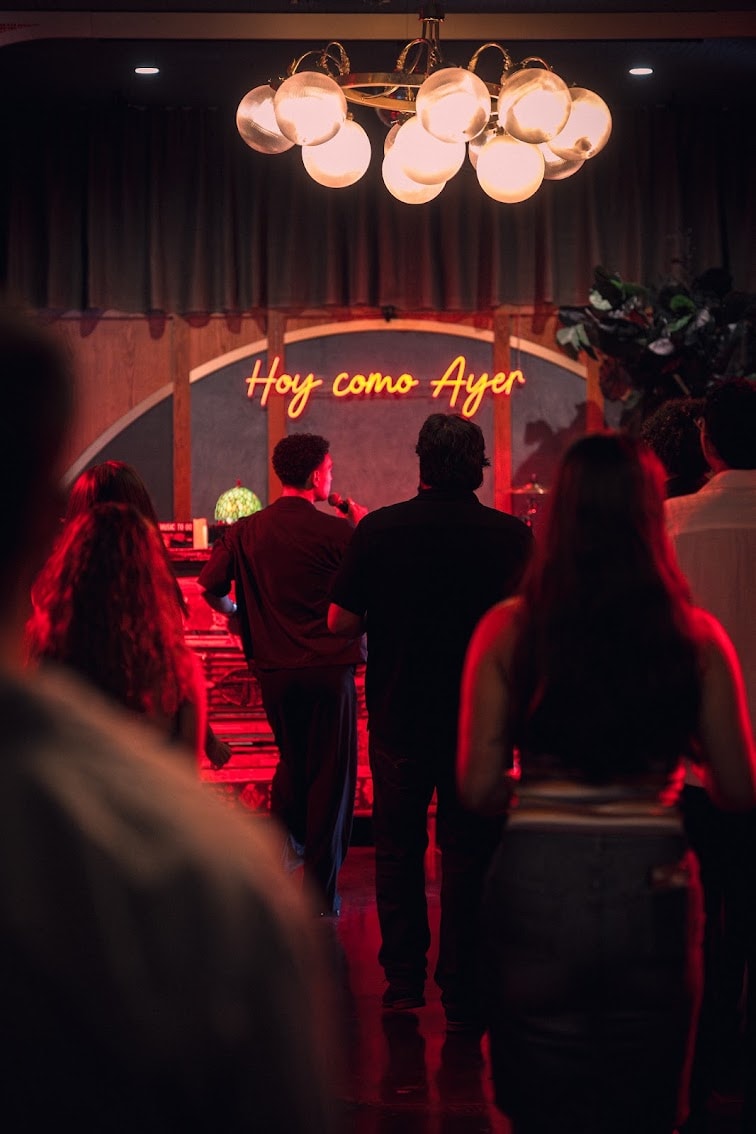
The Dance Party That Ends Before Bedtime Is Coming to Fort Lauderdale — Earlybirds Club Hits Revolution on November 21
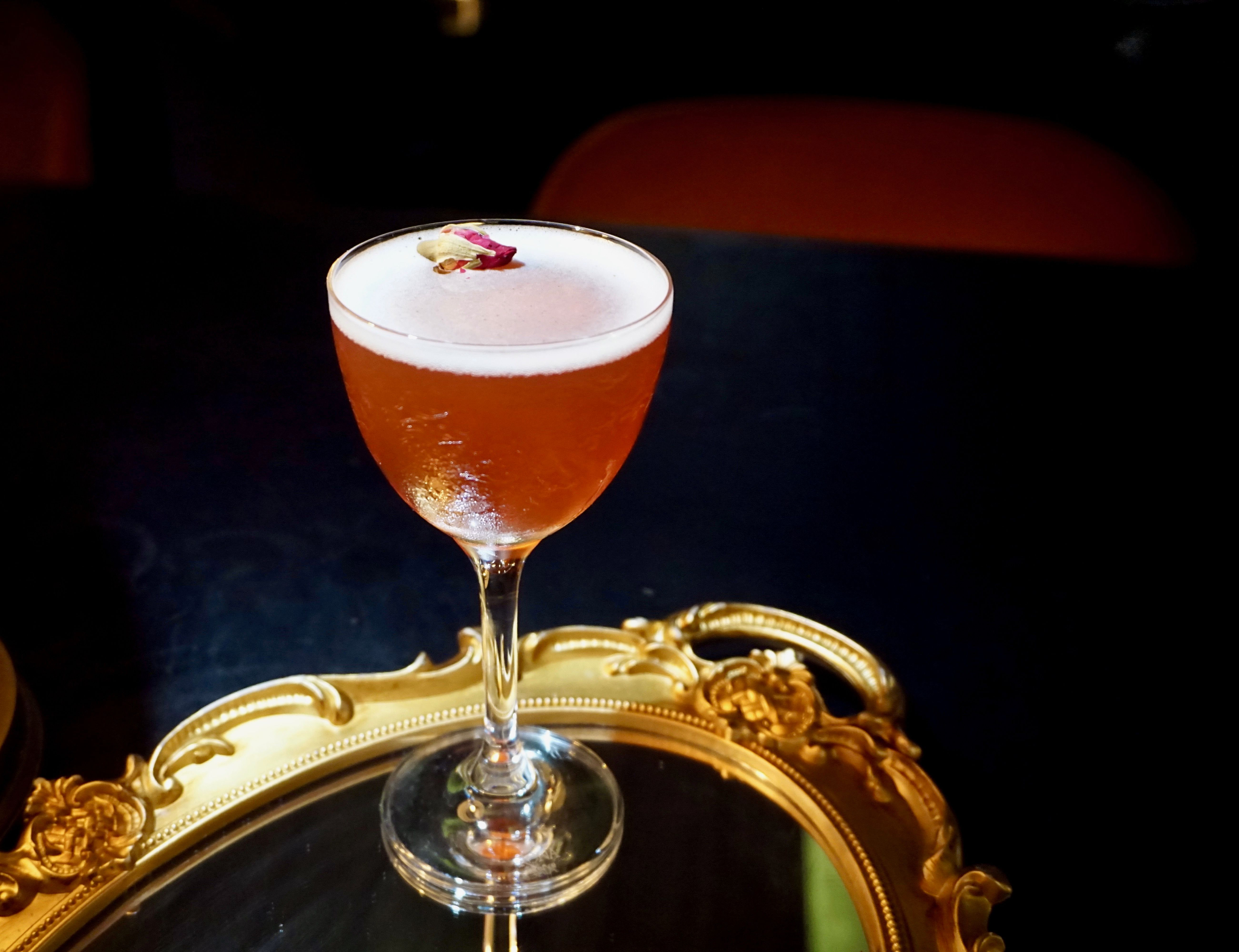
Maple & Ash Miami Launches Its Fall Menu at Miami Worldcenter — Wagyu Carpaccio, Fire-Roasted Meatballs, and Crispy Crab Croquettes
Maple & Ash Miami at Miami Worldcenter has launched its fall menu, featuring Wagyu Beef Carpaccio, Fire-Roasted Steak Meatballs, Mediterranean Branzino, Chicken Milanese, and Crispy Crab Croquettes. Open nightly at 6 PM, the seasonal menu adds another layer of indulgence to the restaurant's signature high-energy hospitality in the heart of downtown Miami.

JR and Loren Ridinger Talk Charity: Rally for Kids with Cancer Scavenger Cup Miami
Market America founders JR and Loren Ridinger announce Eva Longoria Parker as honorary chair for the inaugural Rally for Kids with Cancer Scavenger Cup Miami — a unique fundraising event benefiting Jackson Memorial Foundation, Holtz Children's Hospital, and the International Kids Fund.

Black Sheep Coffee's Winter Menu Is Here — White Chocolate and Gingerbread Across Coffee, Matcha, and Hojicha
Black Sheep Coffee has launched its winter menu at its Grove Central Miami location, featuring a White Chocolate collection (White Chocolate Matcha, Hojicha, Latte, and Chai) and a Gingerbread collection (Gingerbread Latte, Gingerbread Matcha Latte, and Iced Gingerbread Cold Brew Latte with Cold Foam). The limited-time menu is available now at Black Sheep Coffee's Miami, Austin, and Dallas locations.
Café Bastille's Fall Menu Just Got Two New Reasons to Go: Pumpkin Spice Matcha and Raspberry Mocha
Café Bastille has added two new limited-time drinks to its fall coffee and matcha menu: the Pumpkin Spice Matcha (matcha and oat milk with pumpkin spice syrup, topped with pumpkin foam and cinnamon) and the Raspberry Mocha (espresso and chocolate with fresh raspberries, your choice of milk, and raspberry foam). Both are available now at Café Bastille locations for a limited time.
Independent.
·Unsponsored.
·Always Free.
Premier Guide Miami has never accepted payment for editorial coverage. Our story →