Does Miami Fashion Week Belong in the Same Conversation as New York, Milan, Paris, and London?
Miami has the climate, the demographics, and the cultural moment. What it doesn't yet have is the infrastructure, the permanence, or the institutional will to compete with the Big Four. That gap is closing — but it's not closed.
Part of our ongoing curation of what it means to live, love, and play in the Magic City.
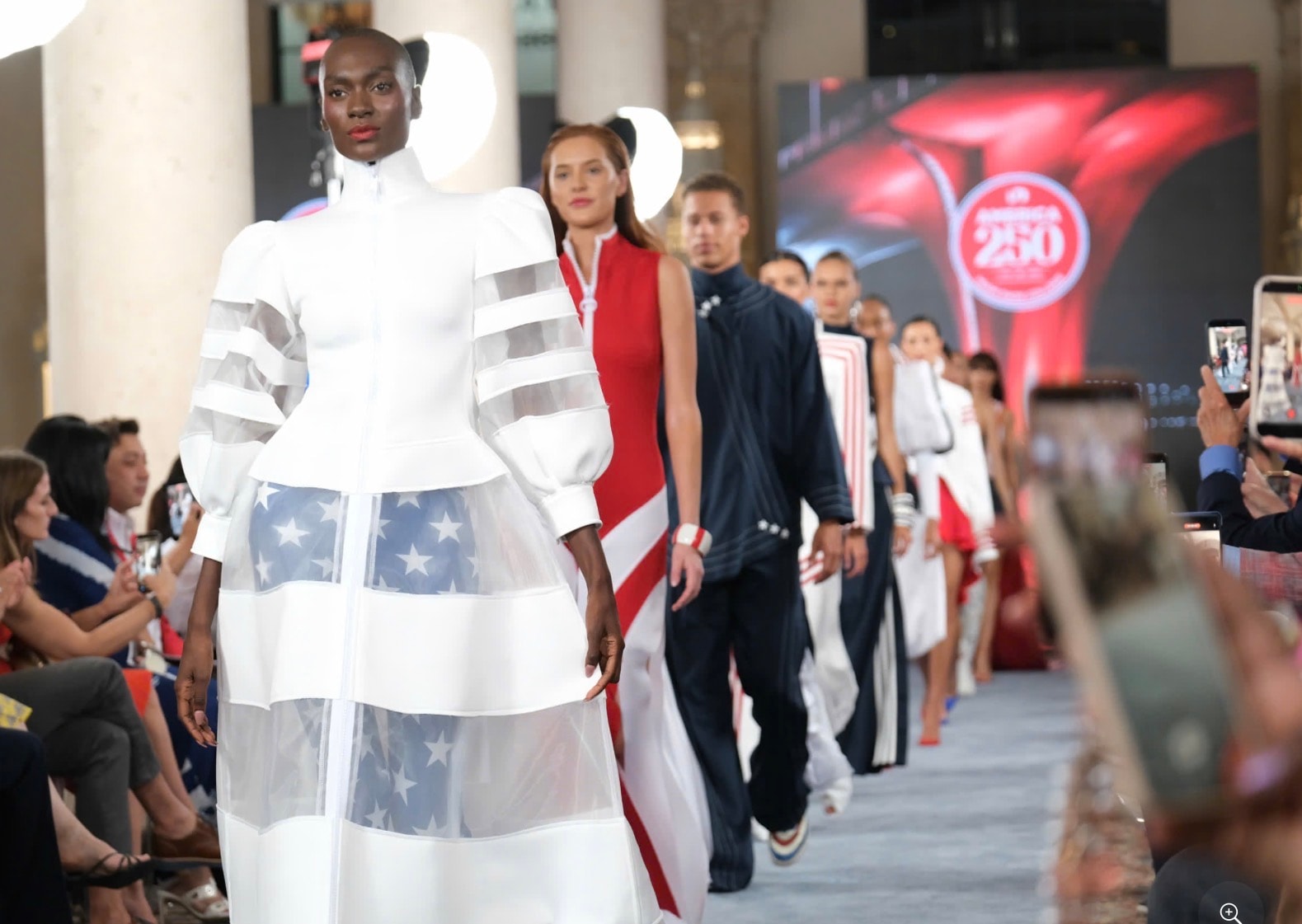
Every September, New York Fashion Week opens the global calendar. Milan follows. Then London. Then Paris. By the time the last show closes in the Marais, the industry has decided what the next year looks like, who matters, and which cities are in the conversation. Miami is not in that conversation — not yet. The question worth asking is whether that's a structural problem, a branding problem, or simply a matter of time.
What Miami Actually Has
Start with the honest case for Miami. The city has a climate that makes outdoor shows viable year-round — something no Big Four city can claim. It has a Latin American and Caribbean consumer base that is underrepresented in global fashion coverage and overrepresented in actual purchasing power. It has a design infrastructure built around Art Basel that has trained the city to host international creative events at scale. And it has a new permanent resident class — tech founders, finance executives, Latin American families who relocated during and after the pandemic — who are not here for a week. They live here. They buy here. They want to be dressed here.
Miami Swim Week is the clearest proof of concept. It has run for decades, it draws international press, and it owns a category — resort and swimwear — that no other fashion week has claimed with the same authority. That's not nothing. That's a lane. The question is whether Miami can expand beyond it.
What Miami Still Lacks
The honest case against Miami is harder to dismiss. The Big Four cities have something Miami doesn't: institutional permanence. The Chambre Syndicale de la Haute Couture has governed Paris fashion since 1868. The British Fashion Council has been building London's infrastructure for decades. The Council of Fashion Designers of America has turned New York Fashion Week into a machine. Miami has no equivalent governing body, no unified calendar, and no single venue that functions as a home base for the industry. Events happen. Shows happen. But they don't accumulate into a coherent identity the way they do in Paris or Milan.
There's also the transience problem — and it's worth naming directly. Miami has historically been a city people pass through. The fashion industry noticed. Designers showed here, got press, and went home. Buyers came for the beach and left without placing orders. The city's reputation as a party destination worked against it as a serious fashion capital. You can't build a fashion week on vibes alone. You need the buyers, the editors, the stylists, and the designers to treat the city as a destination worth returning to — not as a warm-weather bonus stop.
The Demographic Shift Changes the Calculus
Here is where the argument gets genuinely interesting. The Miami that existed in 2015 is not the Miami that exists in 2026. The city's permanent resident base has shifted in ways that matter for fashion. The Latin American families who moved here during the pandemic are not tourists. The Brazilian, Venezuelan, Colombian, and Argentine communities that have always been here are not going anywhere. The Caribbean diaspora — Haitian, Jamaican, Trinidadian, Bahamian — has been part of Miami's cultural fabric for generations and is increasingly part of its economic fabric too. And the new arrivals — the finance and tech transplants from New York and San Francisco — have money, taste, and a preference for not flying to New York for a show when they live somewhere with better weather and more interesting neighbors.
The Latin American and Caribbean luxury market is one of the fastest-growing segments in global fashion. Miami is its North American hub — and that is not a coincidence of geography, it is a function of culture. The Venezuelan buyer, the Brazilian buyer, the Colombian buyer, the Jamaican buyer, the Trinidadian buyer — they are all here, or they pass through here. The Caribbean has its own fashion identity, its own aesthetic vocabulary, its own designers who have been largely invisible to the global fashion press. Miami is the one city in North America where that market is not a niche. It is the room.
What It Would Actually Take
Competing with the Big Four is not a realistic near-term goal and probably not the right framing. Paris and Milan have centuries of infrastructure. New York has the CFDA and decades of institutional investment. Miami does not need to beat them — it needs to own something they cannot. The path forward looks less like a direct competitor and more like Miami establishing itself as the definitive platform for Latin American and Caribbean fashion, resort and swimwear, and the emerging aesthetic that comes from a city where cultures genuinely mix rather than coexist politely. The Caribbean angle is underexploited and underrepresented in global fashion coverage. Miami is the right city to change that.
That requires infrastructure investment. A governing body with real authority. A unified calendar that buyers and editors can plan around. Venue partnerships that give shows a home rather than a rotating series of pop-up locations. And a commitment from the city's cultural institutions — the Design District, the Pérez Art Museum, the Wynwood arts community — to treat fashion as a serious creative discipline rather than a marketing event.
It also requires Miami-based designers to be taken seriously on their own terms. Alejandro de los Reyes showing at NYFW through Runway 7 is a data point — a Venezuelan haute couture designer with Miami roots getting international exposure through a New York platform. That is the current dynamic: Miami talent going to New York to be seen. The goal is to invert that. To make Miami the place where international talent — from Venezuela, Colombia, Brazil, Jamaica, Trinidad, the Dominican Republic — comes to be seen by the Latin American and Caribbean market, the resort buyer, and the cultural tastemakers who have made this city their permanent home. The FUZE Caribbean Art Fair in Nassau is already doing something adjacent in the visual arts space. Fashion needs its equivalent, and Miami is the logical home for it.
The Verdict
Miami is not New York, Milan, Paris, or London. It doesn't need to be. What it needs to be is the city that owns the fashion conversation for the Americas — the Latin American market, the resort category, the cultural intersection that no other city can replicate. The demographic shift is real. The permanent resident base is real. The purchasing power is real. What's missing is the institutional will to build something that lasts longer than a season. That's a solvable problem. The question is whether the people with the resources to solve it are paying attention.
Miami Fashion Week 2026 — Oct 13-18
The 2026 edition runs October 13-18 across Miami and Miami Beach. Fifteen events spanning runway shows, designer showcases, and industry panels. A selection of key dates from the calendar.
The PGM Edit
Miami Fashion Week® 2026 runs October 13–18. Fifteen events. Designers from across Latin America and the Caribbean. It's a start. Whether it becomes something more depends on what happens after the last show closes.
Premier Guide Miami
The Live · Love · Play Dial
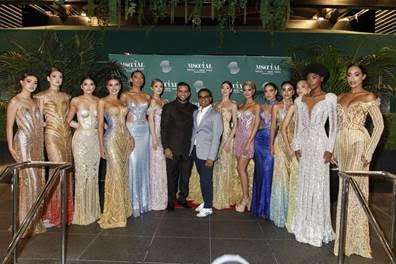
M Social Hotel Partners with Runway7 for New York Fashion Week
The Biscayne Boulevard hotel brought its Miami energy to New York Fashion Week through a partnership with Runway7 that put its brand at the center of the season's most talked-about events.

Re-launch of A/X Armani Exchange, South Beach
Armani Exchange re-opened its Miami Beach flagship store on December 11, 2009 with a ribbon cutting ceremony, unveiling the X4 concept with an additional 2,200 square feet and an impressive 2-story Art Deco glass facade.

‘Faberge of Footwear’: A Roger Vivier Tradition
Roger Vivier Boutique celebrated its grand opening at Bal Harbour Shops on December 1, 2009, with Paula Patton and Robin Thicke in attendance — a fitting tribute to the French designer who revived the stiletto and dressed royalty for decades.
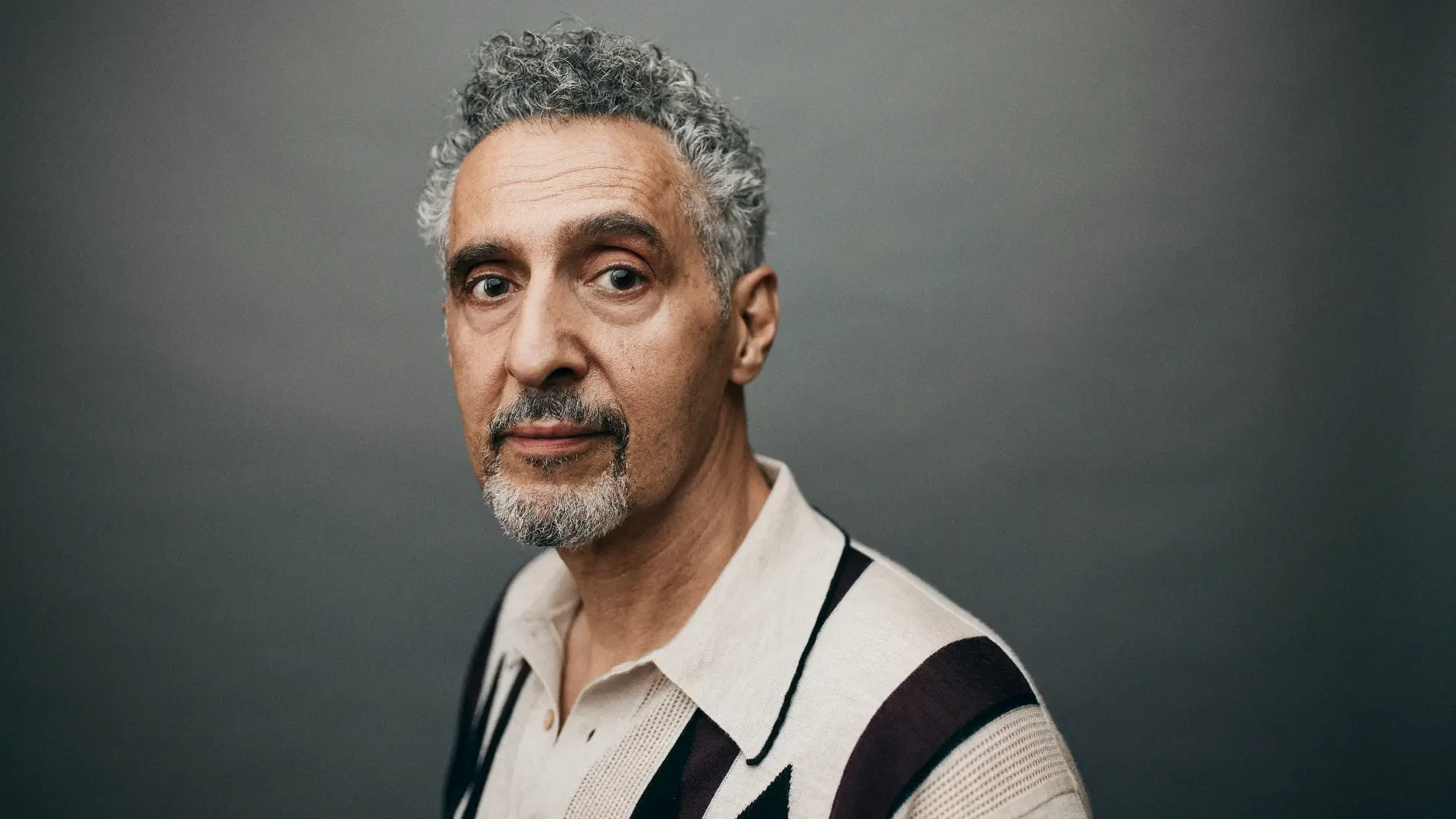
John Turturro Is Coming to Miami Film Festival GEMS for a Career-Spanning Conversation
The actor, director, and writer behind Barton Fink, The Big Lebowski, and Severance receives the Variety Creative Vanguard Award at GEMS — and sits down with Variety's Co-Editor in Chief for 75 minutes on Monday, November 2.